Overview
Aswan is a city in Upper Egypt with around 360000 inhabitants. It is located at the southernmost point of the fertile Nile River Valley and it sits right at the bottom of the Aswan Dam, which turned the Nile into a giant reservoir for hundreds of kilometers south of the city.
Aswan is known for it’s historic artefacts like the Temple of Philae and the unfinished obelisk as well as for the afformentioned Aswan Dam, which is the single most important power source for all of Egypt. It sits right along the first cataract with many green islands scattered on the Nile visible from downtown. It’s culture is influenced by a large Nubian population, which shapes the city, giving it an atmosphere distinct from other cities in the country.
As Aswan is located in the middle of the Sahara the climate is very arid, while the north is influenced by more mediterranean climates. The citz is one of the hottest, driest and sunniest places in the world with temperatures reaching well above 40°C daily during the summer. Touristwise, it is therefore more of a winter destination.
Aswan is a true budget destination, as especially accomodation is cheaper than in other cities, though Egypt in general is a cheap country. Of course you can spend a lot as well if you desire. Famous hotels like the „Old Cataract“ offer luxurious stays, while many cruise ships depart from here downstream towards Luxor. Overall, staying for 2-3 days is enough to see the main highlights the city has to offer.
How to get around the city?
Taxi
Within city limits you generally have two options. Either you can take a taxi or you hop on one of the minibusses.
Taking a taxi is a bit hit or miss. Especially along the corniche many people try to persuade you into taking their taxi with the goal of charging you an exorbitant price for the service. So watch out for scammers and negotiate the final fare before entering the car. Uber or other online ride booking services sadly do not work here, so some old school negotiation skills are definitely required. Other than that, the taxi is the best option to visit the sights located on the Eastern Bank of the Nile. Hiring a driver to take you around the city for the entire day, waiting for you at each destinations will not cost you more than 20-30€ all together so it is a fast and comfortable option to get around, especially considering that most of them have air conditioning.
Minibus
If you only intend to travel along the corniche or to the railway or bus station and you are looking for an even more budget-friendly way of getting around, taking the local minibusses is an adventurous experience. They are extremely cheap and you will never wait more than a minute for one to pick you up. The problem with them is that as a tourist who does not speak a word of Arabic it is pretty hard to know, where any specific driver is actually heading, but along the corniche, most drivers are always circling between the bus terminal and the downtown. Still, If you notice that the minibus takes a turn you did not expect, just quickly hop off and take another one in the right direction.
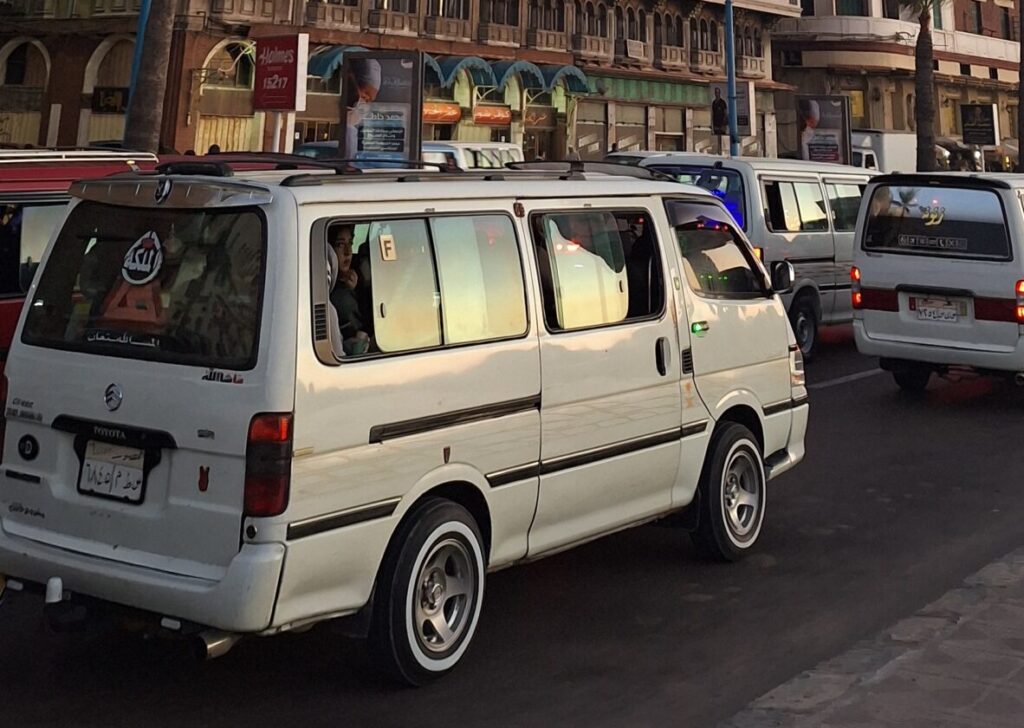
During April of 2026 they cost just 20EGP (0,30€) per ride. To be picked up wait along the street and hail them down until one stops. Do not wait too long to get on as they are always in a hurry. If you are a man try to sit with other man as it is considered rude to sit next to women if other seats are still available. Because the price for the ride is never written anywhere, just watch what others are handing to the driver. If no one else got one with you, try to hand him a small banknote and wait for the change. If you ask for the price you will most definitely be overcharged.
When you arrive at the bus station from other parts of Egypt, taking the minibus is advisable. Taxi drivers there quoted us very high prices for egyptian standards and would not budge too much, so a ride will cost quite a lot. If you want to know more on how to travel between Aswan and Luxor read my guide about it.
Where to stay in Aswan?
East Bank
The East Bank can be separated into the Downtown and the hotel area south of it. Getting accomodation in the center of Aswan has the advantage, that you are near many good restaurants and can experience the hustle and bustle of the city close to your accomodation. The problem though is the noise. As insulation in egyptian construction is almost non-existent, you will be up until at least midnight daily. Choose this option if you are eager to get the full cultural immersion into egyptian life but do not expect a relaxing stay.
The hotels to the south of downtown such as the famous Old Cataract Hotel are the most luxurious part of the city to stay in. The price tag of course is a bit higher here, but if money is not a problem, I would highly advise to stay here. Some luxury hotels are even located on their own private islands and offer spectacular private views of the Nile. Choose this option for luxury and comfort.
Elephantine Island
Many if not the majority of accomodation options are located on Elephantine Island, a big island in the Nile River right across from the corniche. It is a totally different vibe from the loud and dirty city, as there are no cars here at all with a lot of greenery and water surrounding you. Most accomdations here are in a „Nubian Style“ (most inhabitants of the island are in fact Nubians). You can expect solid, yet very standard rooms here.
Most of the accomodations are not very luxurious but in turn are some of the cheapest in the country. We shared a room on the islands and paid only 3,90€ per person per night here, which was by far the cheapest nights we ever had anywhere. In addition you are close to the Nile and can enjoy a quiet night. Choose this option for relaxing, yet basic budget stays.
A 3-day itinerary
Day 1
Qubbet el-Hawa
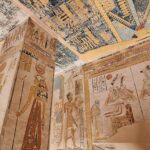
On your first day in Aswan start of by getting an overview over the history of the city. An often overlooked location in this regard is the Qubbet el-Hawa. This mountain on the west bank of the Nile is the site of hundreds of ancient tombs of Upper and Middle Kingdom Nobles, which played a crucial role in the contact and trade with Nubia during their respective life times. It is further influenced by graves from other cultures, such as the Copts, a christian minority in the country.
The name of the site though is a bit confusing as it is derived from an Islamic Sheikh, whose tomb is visible from far away and sits on top of the mountain, while the older egyptian graves are dug into the mountain itself a couple hundred meters away. It is an interesting site to experience the change in egyptian beliefs and cultures over time. You will probably be alone here as not too many tourists actually put in the effort to come here. I would recommend to visit it first thing in the morning to get an amazing view over Aswan and the winding Nile River from the top of the mountain, while avoiding the heat of the day. You can reach the site via a public ferry from the Corniche, which departs near the train station. It costs 10 EGP and operates non-stop. The entry to the site is 200 EGP.
Optionally instead of the Qubbet el-Hawa, you can also visit the Simeon Monastery, a ruined christian monastery near the Agha-Khan-Mausoleum. It offers fascinating insights into the Coptic Culture in the country. Sadly, Agha-Khan-Mausoleum itself is closed for visitors, so it can only be admired from the outside.
Unfinished Obelisk
After returning to the East Bank, head over to the famous Unfinished Obelisk, which is a must-see sight when in Aswan. The Obelisk sits in a granite quarry to the south of the city center, which was used in ancient Egypt to carve out monuments for their temples, such as the aforementioned obelisks. The one in question here was hewed in one piece from the bedrock below and would have been the largest of its kind to ever have been erected.
Unfortunately, the project was abandoned as cracks appeared in the granite half-way through its excavation. It is a symbol of how ancient Egyptians perfected their stone-working techniques with such precision to construct monuments that stand today, thousands of years later. In modern times the entire quarry serves as a kind of open-air museum and is an official archaeological site. It costs 220 EGP to enter.
Nubia Museum
Having visited the Obelisk, the midday heat is probably getting more intense. This is a good time to escape the sun and head into the Nubia Museum. The Nubian Culture, which once spread from Aswan to modern day Khartoum, is famous for having created the most pyramids in the world even surpassing Egypt itself. Most of the original culture though has vanished during Islamization and the creation of Lake Nasser in the 1960’s, which flooded large parts of what was formerly Lower Nubia. In the museum it is possible to get an idea of how their culture and traditions have looked like, what languages they spoke and how their relationship with Egypt evolved over time.
There are still some Nubian villages around Aswan, which remain to this day, but as a tourist myself it was not possible to truly visit one of them in an authentic way, as there is not really any infrastructure and information in place. You may have heard about a „Nubian Village“, which can be visited but this is essentially a tourist trap. While yes, it might once have been an authentic site to see, tourism has turned it into a place, which entirely operates on extracting as much money as possible from visitors with the original spark of adventure having been lost long ago. In the museum you can spend around 1,5 to 3 hours with tickets costing 400 EGP.
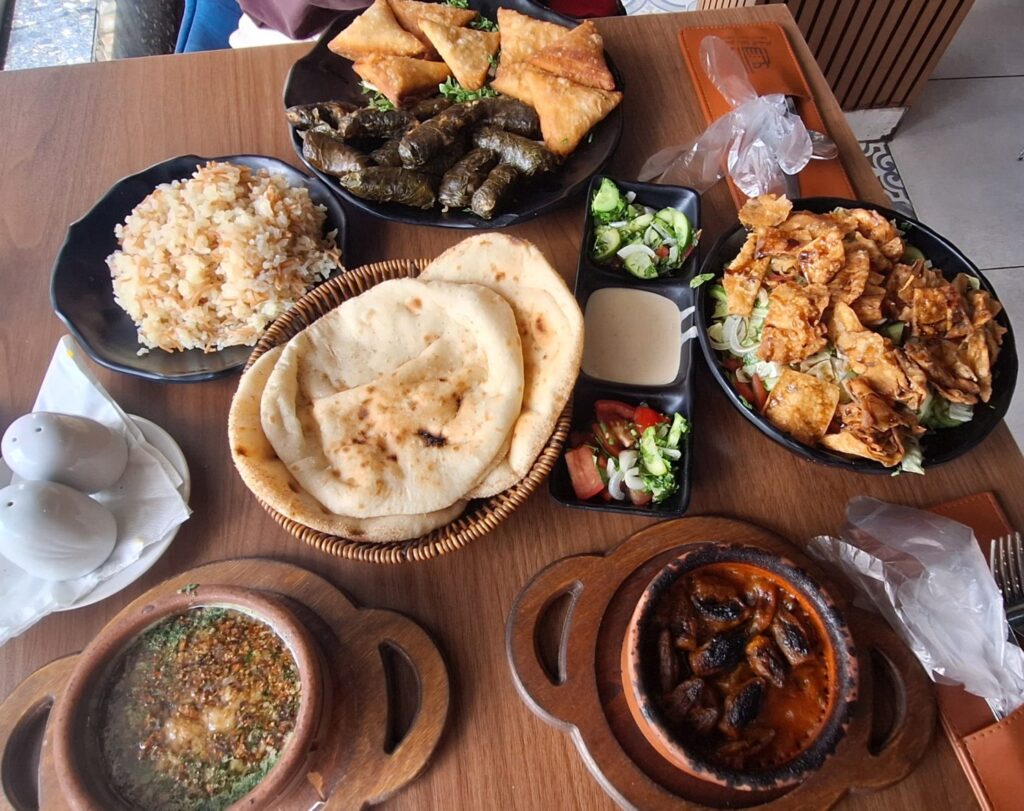
Leaving the museum, you will probably be hungry and I would suggest an early dinner in anticipation of the last activity of the day. I can really recommend Bilad Elsham Restaurant. It was one of the best restaurants of our entire trip in Egypt and we visited multiple times. It offers everything from Egyptian classics like Molokhiya (jute leave stew) to levantine specialties like waraq enab (stuffed grape leaves). The restaurant is pretty cheap and offers many vegetarian dishes as well making it a good option if you do not eat meat.
Kayak on the Nile
Finishing off the day, you will want to watch the sunset from the Nile. Although you could book a Felucca ride to do this (Feluccas are traditional sail boats), I would recommend you instead opt for a kayak. They have the advantage to choose the route, lenght and the time on the water yourself. Most tourist boats we came across also had loud music playing so this is a much calmer and relaxing way of seeing the river. Do not miss this chance if you want to do this, as it was the only place in all of Egypt where we found someone renting out kayaks. To do it go to Nile View Restaurant on Elephantine Island and ask for the kayaks.
They cost 250 EGP per person and they have one or two-person boats to choose from. We arrived roughly 1 hour before sunset and spent 90 minutes on the water before returning to the restaurant. Kayak upstream and get a close view of the Agha-Khan-Mausoleum, which sits on a hill on the West Bank of the Nile. Paddle through the little frequented arms of the river on the western side to avoid being disturbed too much by the tourist boats.
By going upstream first, you will have the hardest part done when you choose to turn around and you can easily get back to the starting location. If you do not want to go to the restaurant recommended above, you can also eat here, although it has more touristy prices. It’s location directly at the water is unbeatable and the food served looked very good.
Day 2
Temple of Philae
On the second day, leave the city behind and explore the area south of it. Here I recommend getting a taxi for the day as described in the transport section, as it would be pretty much impossible to get to many of these places otherwise. Remember that tourism sights close early in Egypt, so in order to visit everything you have to start early and get from A to B quickly. See opening times on the official website. The taxi is in my opinion the only way to complete this day as described below.
Start of at the Temple of Philae, one of the most famous sights in Aswan. It is dedicated primarily to the goddess Isis and is located on Agilkia Island. It was actually moved there from a different location on Philae Island to protect it from flooding in the 1970’s. It’s remarkably detailed relief and dramatic location on a small islet makes it stand out from other temples in the country. Because it is located on an island you first have to go to the Philae Ferry Terminal and take a ferry across. Ferries take 15 minutes per direction and offer spectacular views over the Lower Basin and the Temple from the water.
Unfortunately you have to book the ferry in addition to the entry fee for the temple. Many Egyptians working with tourists are not friendly at all and just want to squeeze as much money out of their guests as possible. There actually is a sign ahead of the boats indicating the price for one boat (450 EGP as of April 2026). Stand your ground and demand the official rate. If they do not accept, talk with the police on site to resolve the situation. If you fold and pay more to them as is official, you only support their scheme, so be careful. The temple itself costs 550 EGP to enter.
Aswan Low Dam
After Philae Temple head over to the eastern side of the Nile. While crossing the bridge, look to your left. You will see the Aswan Low Dam, which was constructed in several stages in the first half of the twentieth century, before reaching it’s current shape. It was the first of the two Aswan Dam’s constructed on top of the first Cataract. It contains two hydro-electric power plants and is nowadays responsible for controlling the Tailwater of the High Dam. It’s original purpose was to control the yearly flooding of the Nile in Lower Egypt which it lost after the aforementioned High Dam was finished. When it was first constructed, it was the largest masonry structure in the world. It is not possible to visit the Low Dam.
Aswan High Dam
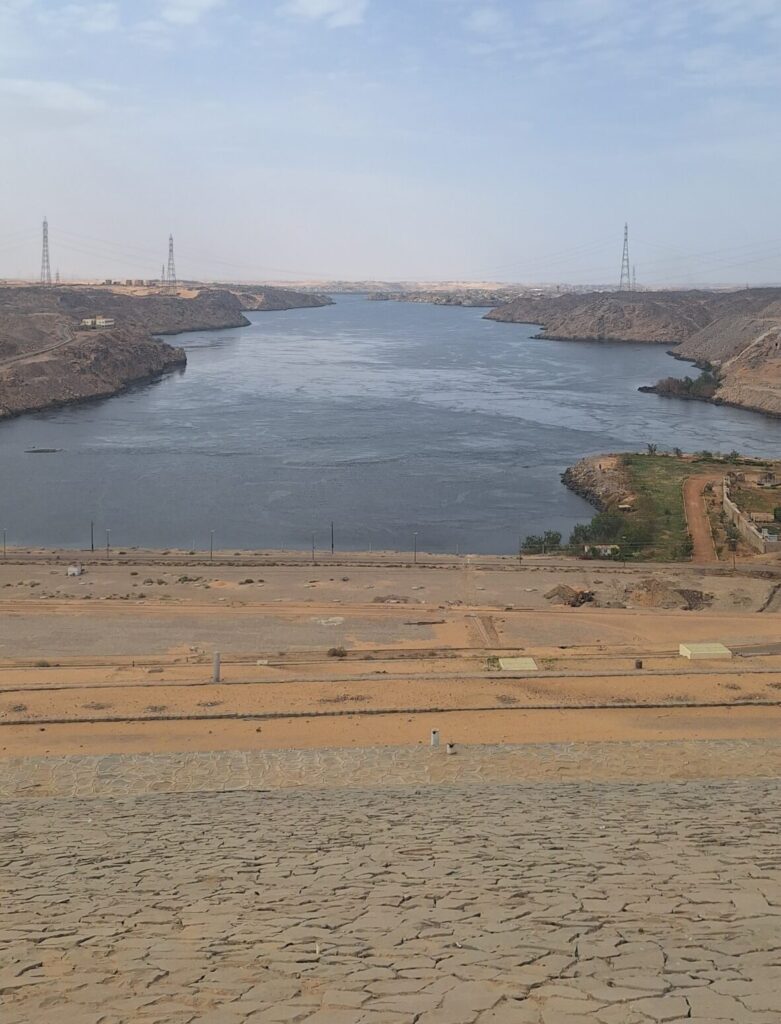
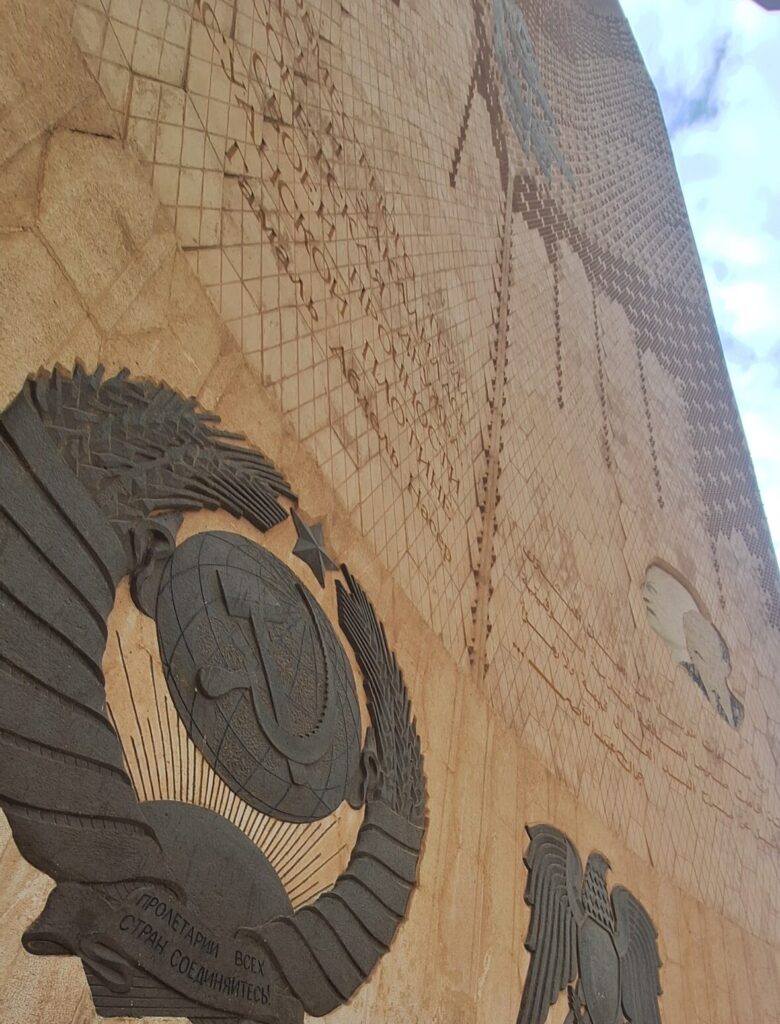
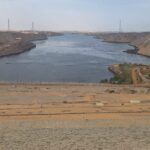
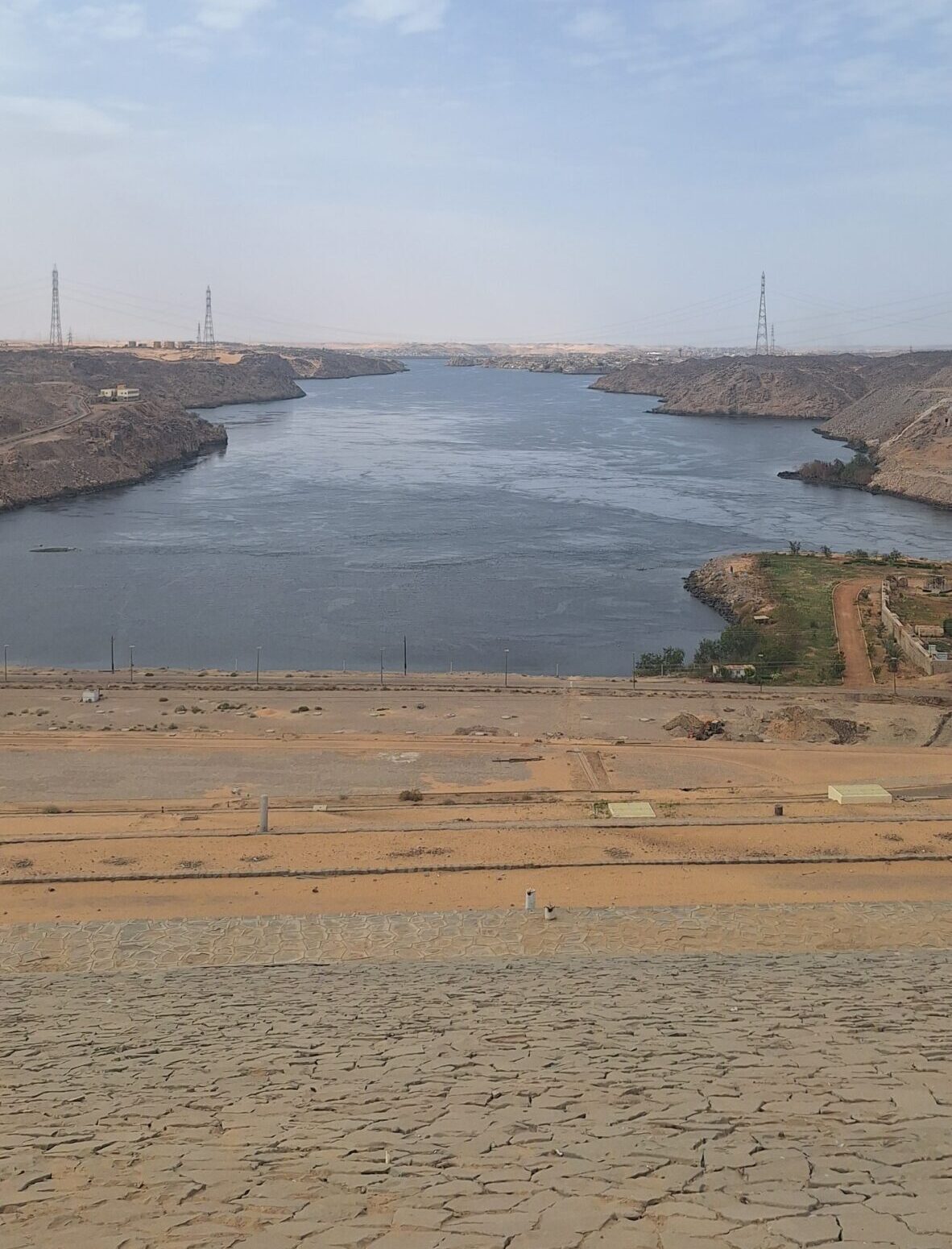
After crossing the bridge, head left in the direction of Aswan Airport and you will see more and more power lines appear all around you heading in the same direction. The source of all of them is the famous Aswan High Dam, which was built between 1960 and 1970 by the egyptian government with the help of the Soviet Union to control flooding, provide water storage for irrigation and generate hydroelectricity. It’s construction was a key step in Egypt’s Industrialization efforts. It was the largest dam in the world at the time, creating Lake Nasser, as reservoir which stretches for 550 kilometers through what was formerly the Nile valley into modern day Sudan.
It was a monumental project and allowed many Egyptians to experience electricity for the first time. On the downside, many historical sites and the entirety of ancient Lower Nubia were now submerged under the waves with thousands of people having to be resettled. When visiting you can take a look at the giant power plant to it’s base and get a brief overview of it’s history in the visitor area. There is also the gigantic Soviet-Egyptian Friendship Monument on the Western End of the dam, which, in the brutalist soviet style, shows huge amounts of symbolism. There is a larger visitor area near the monument, but it seems to have been abandoned for many years already. There is still a lot to see here though. From the gigantic embankment dam to the unreal looking Lake Nasser in the desert to the south this place was unlike anything we have visited before in Egypt. Entry costs 200 EGP at the gate.
Kalabscha Temple
When at the dam, consider visiting Kalabscha Temple. In the same way Philae Temple was relocated to save it from flooding, Kalabscha Temple was moved aswell. It is a fairly small structure but offers surreal views of the surrounding lake and the dam. As it is not a huge detour and way cheaper compared to Philae Temple, I would advise you to visit when you are at the dam. If you are not in the mood to haggle with the ferry boats at Philae, consider coming here instead. The experience is similar and the boat is much easier to negotiate. People here are also much friendlier, as way fewer tourists pass by.
Day 3
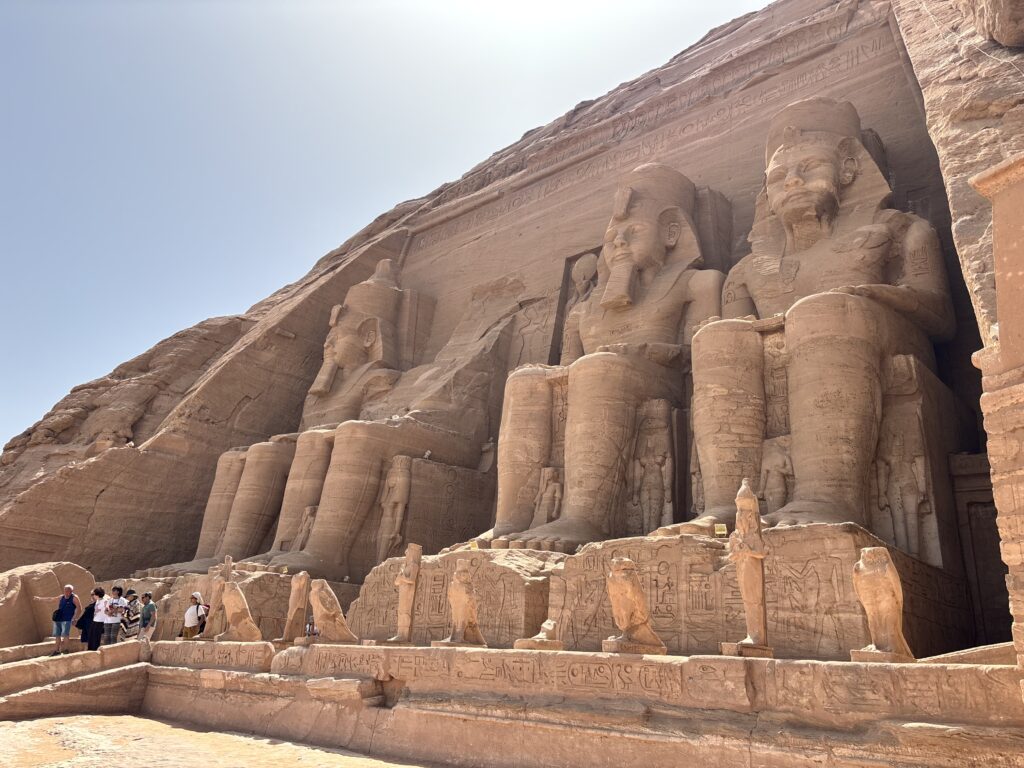
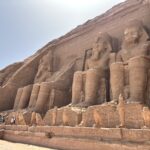
On your third day in Aswan, do a day trip to Abu Simbel, arguably the most famous tourist attraction in southern Egypt together with the valley of kings in Luxor. Read my guide about Abu Simbel, to find out how to plan this excursion best. Alternatively, if you do not want to visit Abu Simbel you could also visit the Daraw Camel Market, which we sadly found out about too late during our stay, but others said that it was an amazing day trip in combination with visiting Kom Ombo.