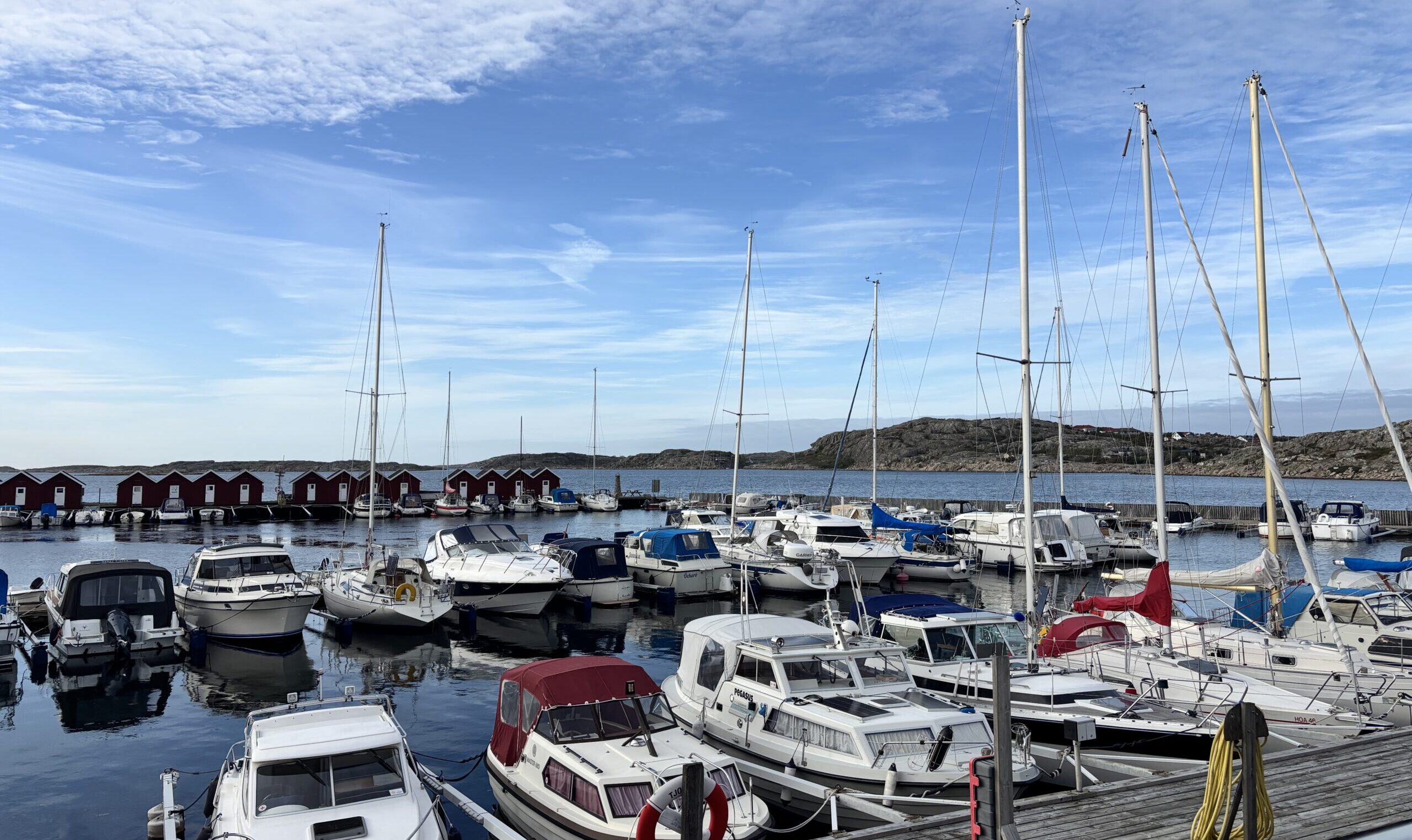
Why Gothenburg is perfect for a 2-day trip
Although Stockholm is the larger brother, a trip to Gothenburg should be on everyone’s bucket list, considering different factors like transport, variety of sights and ease of visiting. The city is easy to reach due to it’s more southern location and central position between Oslo, Copenhagen and Stockholm. If money or time are an issue I would actually recommend Gothenburg over Stockholm. You can see a lot within a short walk through city center and if you want to head out for a day trip, the extensive bus network makes traveling a breeze.
Furthermore, Gothenburg has less of a big-city atmosphere, giving the entire place a more slow-paced and laid-back vibe. Everything is close, it is less crowded and people are less hectic. Being a smaller well connected city, it also serves as a great hub for day trips to the surrounding Swedish landscapes.
How to travel to Gothenburg
Flying
Flying into Gothenburg Landvetter Airport is probably the best option, if you are coming from far away. The Airport is a hub for Ryanair, which connects it with almost all parts of southern and western Europe. There are often deals for as low as 15€, so getting here can be quite affordable. To check flight prices, head to Skyscanner and check the current rates. To see whether there is a direct flight from your country of origin, use Flightconnections.
Bus & Train
By Bus, Gothenburg is fairly well connected to the rest of Europe, being served by FlixBus and VyBus. Both have fairly big networks offering direct connections all across Scandinavia and even some direct busses to Hamburg, Amsterdam and Berlin. I would not recommend those though as anything further than Hamburg will result is 12h+ on a bus, so it is better to use them for city hops within the region.
For longer distances and if you are trying to avoid flying, I definitely recommend the train. Although on shorter routes it is out-competed in price by the bus, it makes up in comfort and speed. So if you have a little more money to spend, travel by train in Sweden. All tickets and schedules can be looked up on the SJ website. If you are traveling from Central Europe into Scandinavia by train, you will have to switch trains in Malmö or Copenhagen to reach Gothenburg.
Driving
Going to Gothenburg in your own car has some perks including maximum flexibility for activities surrounding Göteborg. The city is easy to integrate into a bigger road trip through the country. It is the gateway to the Bohuslän Region and has direct highway connections to all 3 Scandinavian capitals.
Keep in mind the distances though. Between Gothenburg and other big cities lie hundreds of kilometers making driving a rather expensive option. Especially from Central Europe a drive to Gothenburg can be really costly. You will most likely take at least 1 ferry and traverse the Öresund Bridge. This will add even more fees to the already high gas bill.
The best time to travel
The best time to travel to Gothenburg is between May and September. During this time period temperatures climb to around 23-25°C with the best chances for pleasant weather. It is also the time during which the most cafés and stores are open, as many close during the Off-Season. May and September are already cooler and less crowded again but still perfect for an outdoor-focused city such as Gothenburg.
Day 1: Exploring Gothenburg
Morning: Haga and Skansen Kronan
Start your first full day in Gothenburg by visiting the city itself. Begin by heading to the cultural heartbeat: Haga. This quarter is full of beautiful cafés and boutique shops perfect for finding a souvenir or getting that Scandinavian sweater (out of all the places in Sweden they had the most variety here).
Haga itself is not in the Old Town of Gothenburg, but sits to it’s south. When walking here from the Old Town, walk through the „Feskekörka“ on the way. This building looks like a church, but is actually a small fish restaurant/market. Here you can find all the fish and oysters you could ever want. It actually was quite full when we passed through it in the early afternoon. We are not much into fish and did not try anything so we did not dig deeper there.
After Haga head up to Skansen Kronan, one of the two former redoubts built to guard the city from invaders. Though they were never actually used in the cities defense, they boast quite an interesting story. The complex has been used as a weapons storage and prison throughout time before being turned into a tourist attraction. As the redoubt sits on top of Risåsberget, you have an amazing view over Haga and the Old Town.
Having walked up an appetite, go for a Lunch Deal at one of the restaurants in town. Especially within the City Center a lot of restaurants offer a combination of main course + salad + coffee + water for a set price of 12 – 14€ so this is a real budget hack to save some money in this otherwise pretty expensive city.
Afternoon: Kungsparken, Trädgårdsföreningen and Fika
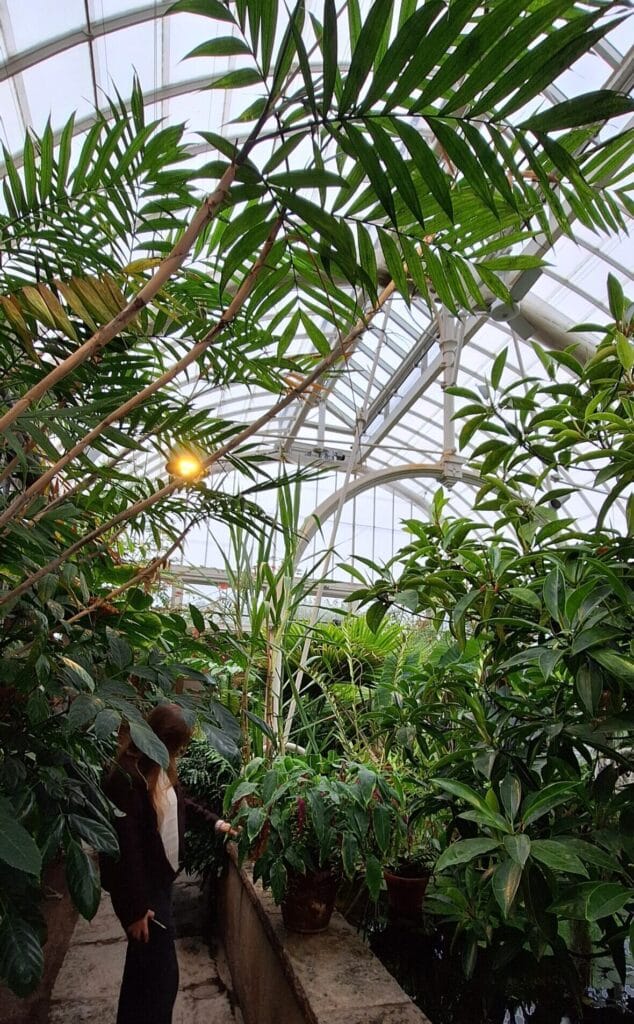
After Lunch, head straight into the Kungsparken. This green oasis is perfect for a bit of relaxing in the midday sun. Walking through it leads you straight towards the Trädgårdsföreningen, a botanical garden complex with several beautiful greenhouses built in a classic 19th century style. These greenhouses have somehow become on of our top highlights of the city, at least according to my photo gallery.
From Trädgårdsföreningen, walk through the Old Town, as you will now want to get towards Stenpiren, to catch the ferry towards the other side of the harbor, which cuts the city in two. You can of course also take the tram across, but this is actually a bit longer as they do not go directly across but make a huge detour across a bridge further away.
Ferries in Gothenburg are part of the public transit network and have the same ticket as any bus or tram in the city.
Before going across, a very Swedish thing to do would be to go for Fika (a coffee + pastry tradition) in one of the many cafés in the Old Town. In the afternoon, cafés and bakeries can get packed and allow for an authentic glimpse into the Swedish lifestyle.
Evening: Kalatornet, Jubileumsparken and Sauna
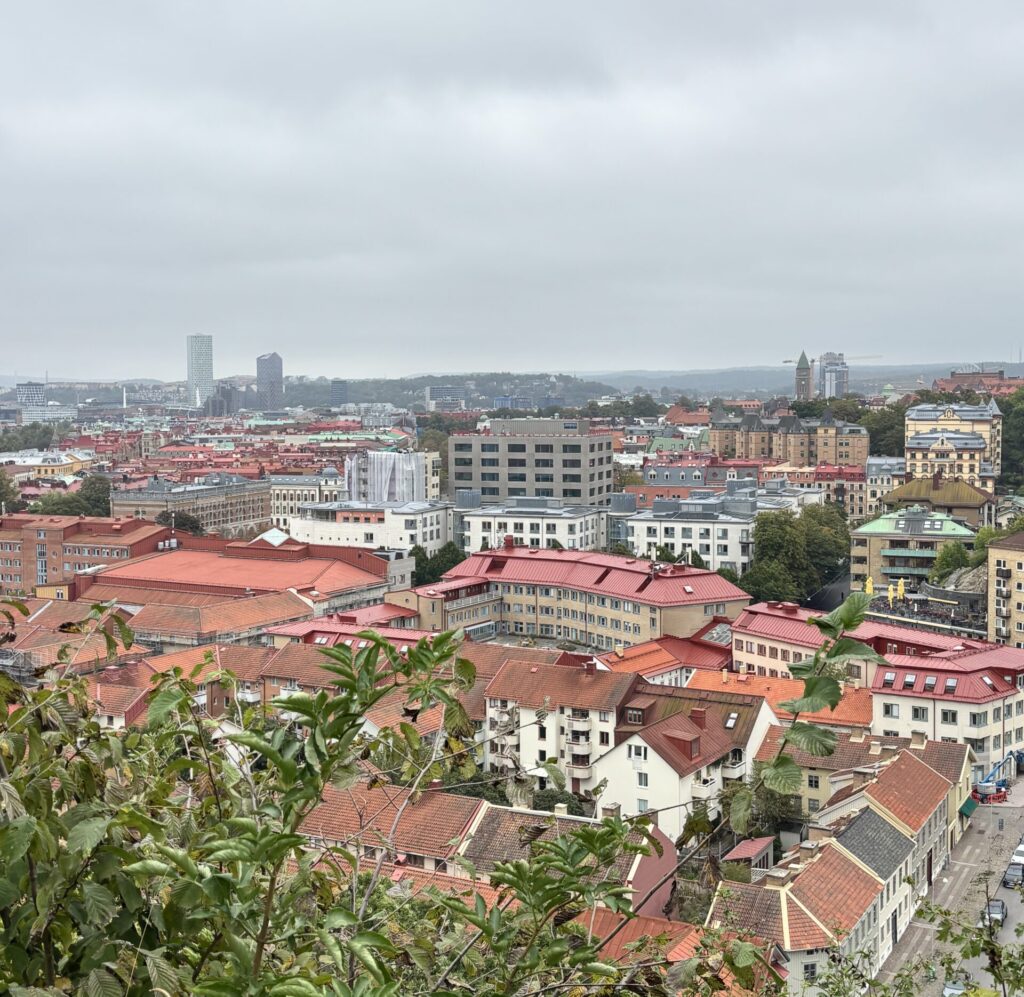
Having crossed over the river, walk towards Kalatornet. You will not need a map for this, as the 247 m highest building in Scandinavia is impossible to not see from basically anywhere in the city. In June of 2026 the viewing platform on top opened allowing for incredible views across Gothenburg and all the way towards the ocean and archipelagos surrounding the coast. The building itself is jaw-dropping, but during September of 2026 the surrounding area is still not finished so it can feel like stepping through a construction zone, when trying to get to the tower.
After Kalatornet it is now time for some relaxation and the perfect place for this is the Jubileumsparken. Here stands a free sauna and pool available for use by everyone. Make sure to reserve a spot beforehand as they can sell out up to a week in advance. Bring a towel and if possible a lock to keep your belongings save. The sauna itself is pretty special as it is built on stilts lifting it into the air. Cold plunge in the public pool and let the day end the Gothenburg way.
Day 2: Gothenburg Archipelago
How to get there
In order to get to the Gothenburg Archipelago, you luckily just need a ticket for the public transport in Zone A, so it costs the same as any other tram or bus ride in the city. From the inner city, take the X6 towards Lilla Varholmen. At Lilla Varholmen in order to reach the archipelago take the ferry to Hönö. This entire route will take you roughly 1 hour 15 minutes from the city center, which you will have to take back in the evening. The ferries and the busses never stop running so you can come back to Gothenburg at any time of the day, even late at night.
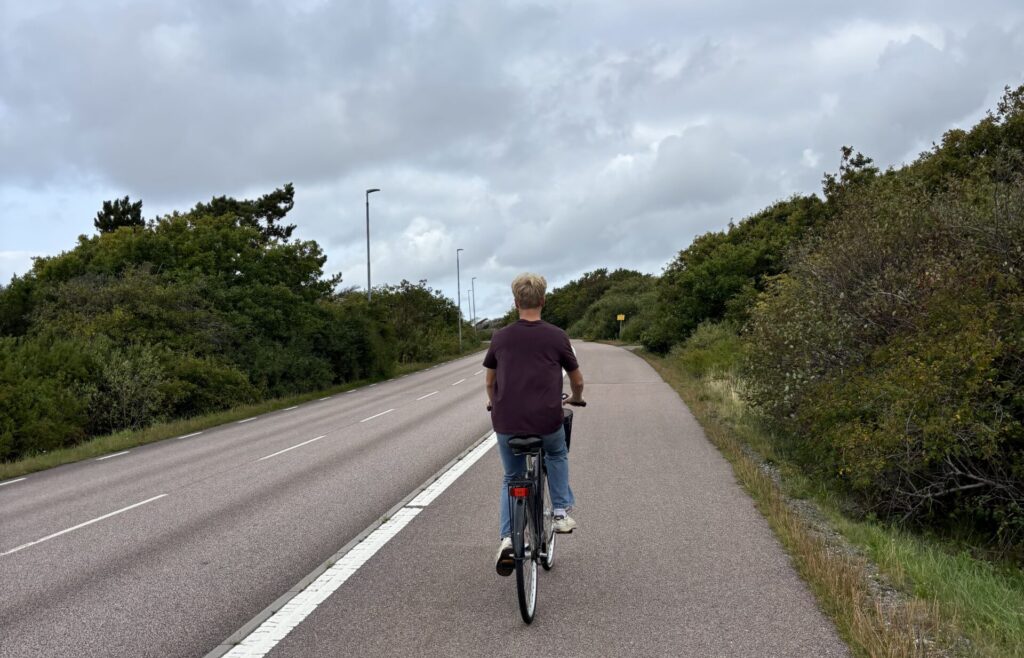
What might be an even better option is to rent a bike on the islands. You are much more flexible like this not being reliant on infrequent busses. Travelling by car is also an option as all ferries have ample room for them. We actually rented an AirBnB on the island of Fotö, which I can highly recommend. They offer bikes and the husband is even one of the ferry drivers, so you will probably meet him during the day.
Exploring Rörö
To get to Rörö, take the bus number 1 at the Hönö Ferry all the way towards Burö Färjeläge. This ferry port is the main connection for several islands to the north and Rörö is one of them. Take the right ferry an go across. You might have to wait a bit depending on when you are there, as in the Off-Season it only goes once per hour.
Once Rörö, supply yourself at the ICA or go for something to eat at the Röröboa Café, as these are the only open places on the island. With some snacks and water head out into the Rörö nature preserve.
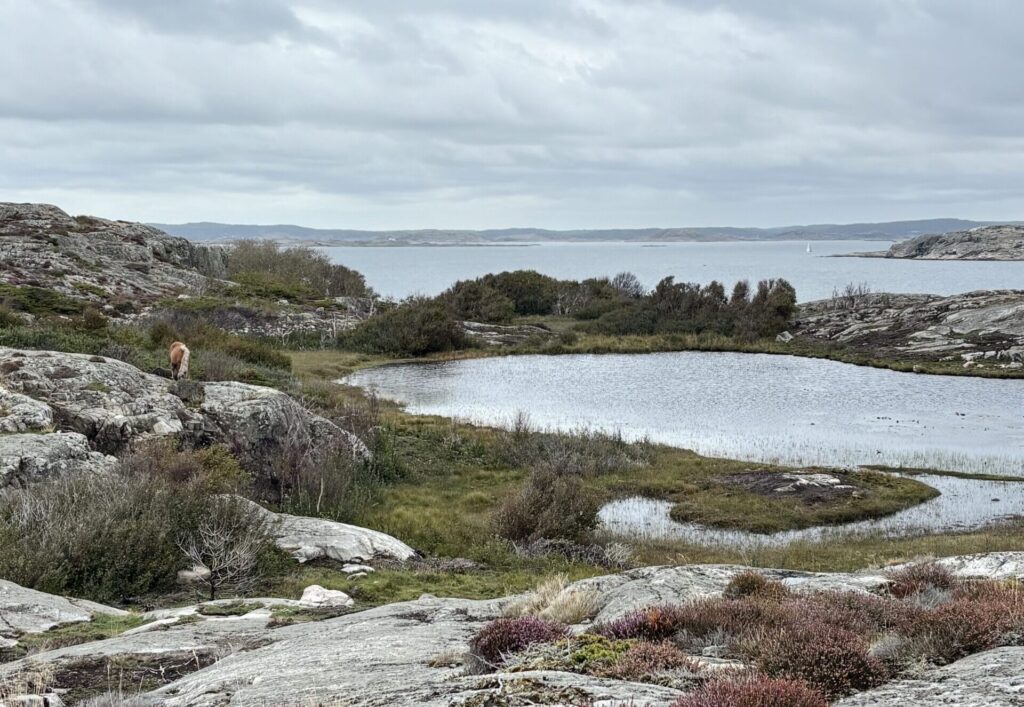
I would recommend you take the longest possible route, which combines the orange circle with the blue circle. Like this you get to see the entire coastline and reach all the viewpoints. Take a look at „Kelly’s Bar„, an art installation made out of driftwood and debris found at the beaches over time. The Rörö nature preserve is showing how the skerry islands originally looked like before human intervention, with small grasses, wind-battered trees and rocky shorelines washed smooth by thousands of years of raw ocean power. Truly a sight to behold. There are also sheep and half-wild horses roaming around,but other than that we were almost entirely alone there.
Ersdalen and Sauna
Coming back from Rörö you could just had back to the mainland of course, but this leaves out the evening atmosphere, which in my opinion is the best part of the journey, as the late-afternoon sun over the ocean dips everything into a beautiful orange, creating a beautiful panorama. Therefore the best thing to do is to leave the bus going to the Hönö ferry terminal at Hönö norra and walk towards the Ersdalen. First you will walk along the harbor and through some back roads before the trail towards Ersdalen begins. It is not technical by any means and should be doable for everyone. It leads you to a viewpoint overlooking the west coast.
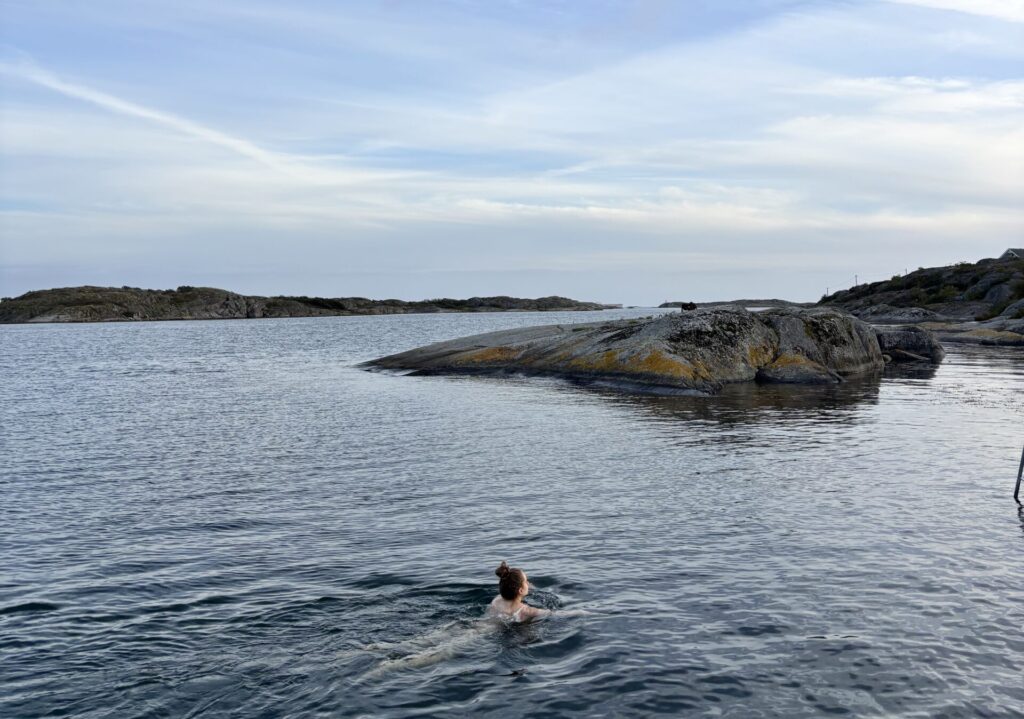
From Ersdalen the best thing you can do now is to head to a Sauna on the islands. I’d recommend the Fotö Bastu. You can book the entire Sauna for 2 hours for 400 Kr. Relax in the Sauna watching the sunset and dip into the cold water of the North Sea before heading back to the City Center.
Summary and additional recommendations
In conclusion 2 days in Gothenburg will give you a perfect overview of the city and the surrounding area without running out of things to do. There are of course many more things that you will have missed out doing this itinerary, but out of a budget and nature-lovers perspective this is the best plan I could come up with after our time in Gothenburg. More things to do can include:
World of Volvo
The World of Volvo is a interactive museum/presentation of Volvo cars, trucks and anything moving. The world-famous manufacturer has their main production site and head quarters in the city of Gothenburg and is my personal pick for adding to the itinerary, when you have 3 days on hand.
Liseberg Amusement Park
Liseberg is a beautifully decorated amusement park with a lot of charm just outside the city center. Easily reachable by car it is one out of just 2 true parks in all of Sweden, the other one being Gröna Lund in Stockholm.
Marstrand
If Rörö and Ersdalen haven’t satisfied your desire for the Skerry Islands, I can highly recommend a day trip to Marstrand. Here you have more untouched wilderness in comparison with many hiking trails and beautiful sunset spots.